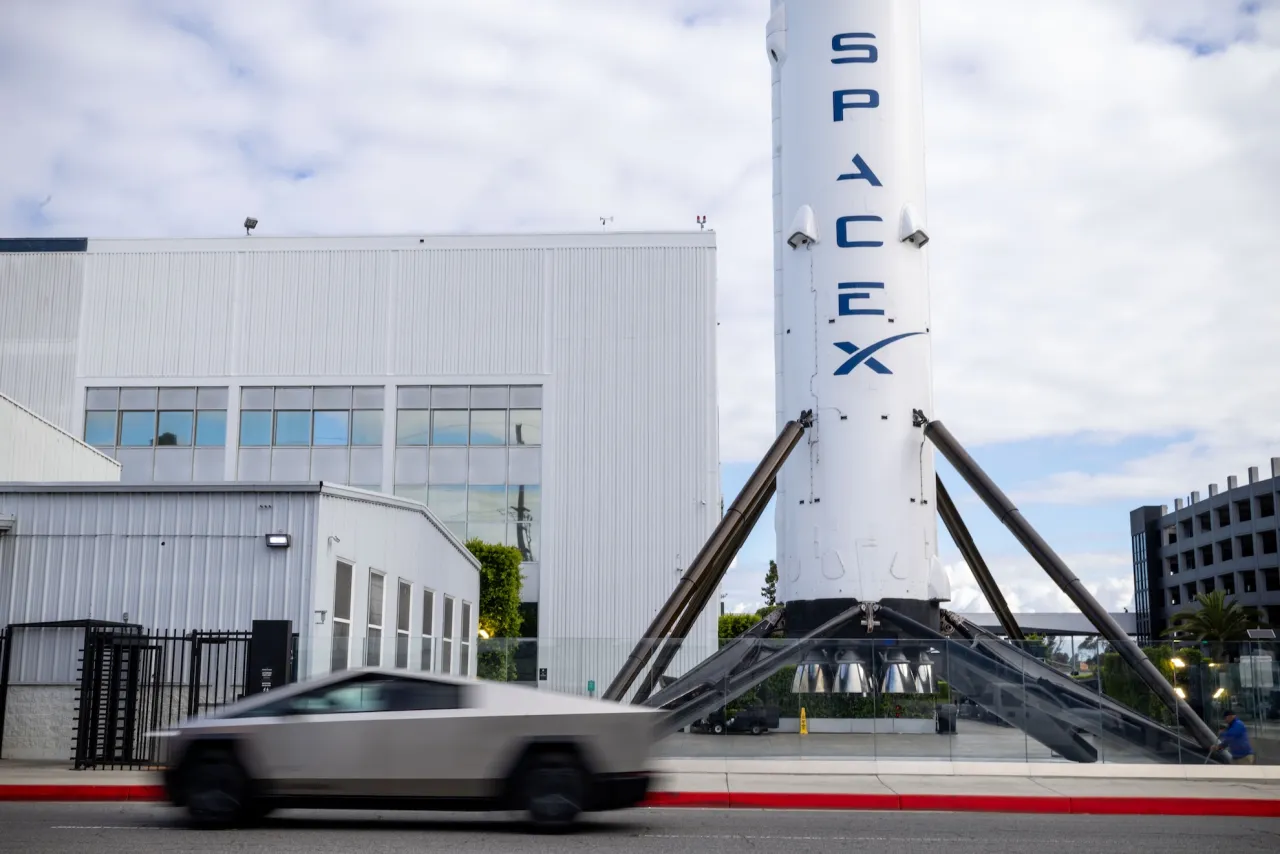
The boards of directors of both SpaceX and Tesla have established special committees to review a potential merger. According to Elon Musk—CEO and the largest individual shareholder of both companies—these committees, composed of independent directors, were formed at the request of shareholders.
“Because I have a conflict of interest, I cannot actually participate in the special committee discussions; it’s essentially… a strange Kabuki dance—two groups talking, and I’m unable to be part of it,” Musk remarked in response to a question during SpaceX’s third-quarter earnings call.
Musk did not disclose the names of the individuals serving on these special committees, noting only that they are all independent directors. According to a proxy statement filed by Tesla on October 19, the company has seven independent directors under Nasdaq listing standards: Board Chair Robyn Denholm; Ira Ehrenpreis (who also serves as a committee chair); former Tesla CTO JB Straubel; Joe Gebbia; Jack Hartung; James Murdoch; and Kathleen Wilson-Thompson.
Neither Elon Musk nor his brother, Kimbal Musk, qualifies as an independent director. Denholm, Gebbia, Ehrenpreis, Hartung, Murdoch, and Wilson-Thompson all serve on various standing committees responsible for overseeing audit, compensation, and corporate governance.
SpaceX lists six independent directors, including Ehrenpreis, who also chairs the company’s compensation and nominating committee. Randy Glein, Donald Harrison, Steve Jurvetson, Luke Nosek, and Roelof Botha are also classified as independent directors.
Antonio Gracias, Elon Musk, and SpaceX President and COO Gwynne Shotwell also serve on the SpaceX board but are not considered independent directors. Gracias, a former Tesla board member, founded and leads Valor Equity Partners, which holds a 3.4% stake in SpaceX. Garcias’s company also provides financing for SpaceX’s procurement of artificial intelligence hardware through sale-leaseback arrangements.
Musk has expressed support for the idea of a merger, though he also cautiously noted that a merger would not guarantee success.
“I think some people view a collaboration between SpaceX and Tesla as a foregone conclusion, but I believe that’s a bit of an overstatement,” he said, adding that he personally thinks it would be a good idea. “Ultimately, shareholders would have to support such a collaboration.”
He noted that the respective special committees have not yet reached an agreement on the terms of any potential deal.
A SpaceX IPO would solidify Musk’s control over the company—he holds more than 50% of the voting power—which would make it easier for him to secure support for a merger from SpaceX shareholders. Musk pointed out that the situation with Tesla is far more complex, as it would require the approval of 50% of all Tesla shareholders, rather than just those who hold voting shares.
“I think there are a lot of benefits to the two companies merging, because we have essentially entered the superintelligence singularity,” Musk said, adding that there is much to be gained from collaborating on the development of AI software, robotics, SpaceX’s orbital AI data center project “Starmind,” and “Terafab”—a joint chip-manufacturing initiative between Tesla and SpaceX.