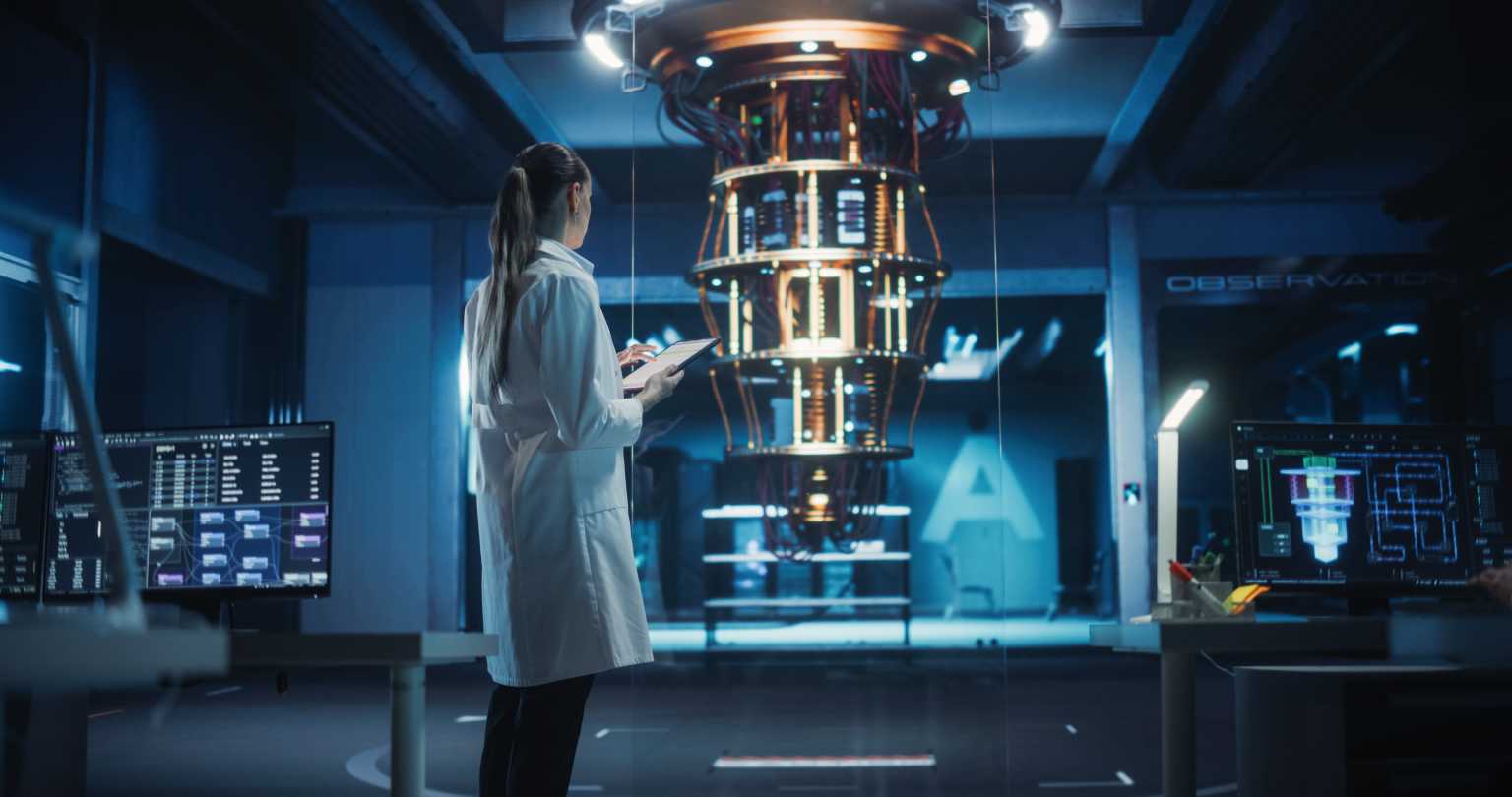
As the global demand for massive computing power surges—driven by exploding data, operational complexity, and the need for real-time decision-making—traditional computers are hitting their limits. While true fault-tolerant quantum hardware remains largely confined to research labs due to extreme costs, talent scarcity, and specialized cryogenic requirements, enterprises cannot afford to wait.
To help businesses tackle real-world challenges today, Fujitsu—named Frost & Sullivan’s 2026 Asia-Pacific Quantum-Inspired Computing Technology Leader—is pioneering a strategic bridge toward the quantum future.
The Solution: Quantum-Inspired Digital Annealing
Recognizing that commercial quantum hardware is still years away from widespread enterprise deployment, Fujitsu has developed Digital Annealer technology (now in its 3rd and 4th generations).
- Seamless Integration: It runs on standard high-performance servers powered by conventional CPUs and GPUs, requiring minimal data center modifications and eliminating the need for quantum cooling systems.
- Massive Scale: The architecture supports optimization models with up to 100,000 variables, allowing organizations to solve complex operational challenges immediately.
- Real-World Impact: Across the Asia-Pacific region—including markets like Singapore—Fujitsu’s technology is already driving commercial results in renewable energy optimization, data center cooling, and drug discovery.
Toward a Hybrid Future
Fujitsu’s roadmap goes beyond quantum-inspired tech. The company is actively investing in true quantum hardware, including a planned 1,024-qubit computer slated for 2026, alongside a hybrid computing platform that lets clients flexibly choose where to run workloads across traditional, quantum-inspired, and quantum systems.
Through structured engagement models—ranging from workshops and proof-of-concepts to partnerships with entities like Qubit Technologies and SC Ventures—Fujitsu is ensuring that enterprises can seamlessly transition into a hybrid computing future without waiting for the quantum era to fully arrive.